Architecture · Windows & light
Imagine a whole day in the room.
A room is experienced at more than one hour. Picture breakfast, an afternoon at home and a quiet evening. The same window may frame different details in each scene, and the place where you want to sit may change. Begin with those routines before deciding that the largest opening or widest panorama must be the most desirable.
During a viewing, ask yourself when you would use the room and what you would do there. A kitchen table, work surface and reading chair have different relationships with the window. If the home is being designed or altered, describe those uses to the architect. The brief becomes richer when it includes ordinary occupations alongside the landscape you hope to enjoy.
Architecture · Windows & light
Look from the place you would actually sit.
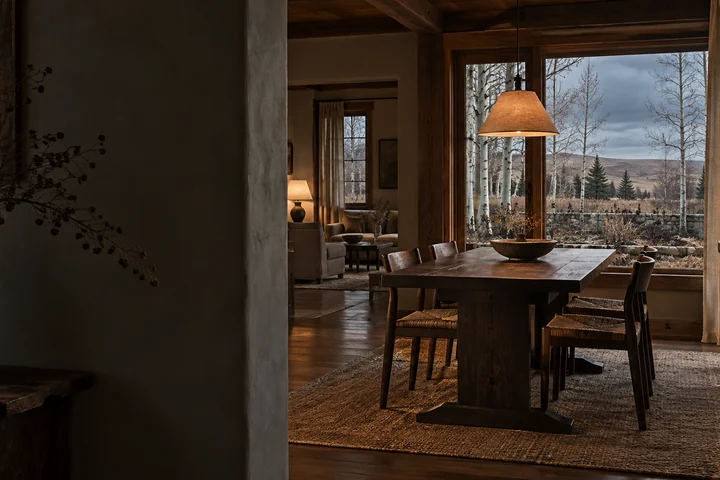
Standing in the middle of an empty room gives only one view of it. A favourite chair or dining table places your eye elsewhere. The window frame, garden and horizon may relate quite differently from that position. Imagine the furniture in use and look at what would remain visible around it, including the close ground beside the house.
A lower view might centre a garden or a stand of trees; another might open towards sky and distant country. Neither is automatically better. The pleasure depends on the room and what attracts your attention. A design drawing that includes furniture can help make those relationships understandable, especially where a beautiful photograph leaves the scale of daily life uncertain.
Architecture · Windows & light
Give the eye more than one distance.
A compelling country view often contains several things to notice. Close planting or a terrace gives it an immediate edge, trees or meadow establish the middle ground, and a ridge or sky carries the eye further away. Those layers can make a familiar outlook engaging even when there is no dramatic mountain or body of water.
Think about which layer belongs most closely to the room. A sitting area may enjoy the garden, while a larger gathering room looks beyond it. The close view can remain interesting when mist conceals the distance. Our country gardens guide explores the cultivated ground beside the house and the way it can connect with a much larger landscape.
Architecture · Windows & light
A frame can make an ordinary detail remarkable.
One window can give a particular tree, slope or patch of sky a place within the room. The frame directs attention and makes the view feel distinct from the rest of the landscape. A narrow opening beside a chair may be as memorable as a broad wall of glass, especially when it shows something that changes with the seasons.
Look at the window as part of the wall. Its proportions, depth and position affect the interior composition as well as the outlook. A room can have a strong architectural character with a few considered openings. When discussing a design, explain what you want to see and from where, then allow the whole building and its technical needs to inform the result.
Architecture · Windows & light
A wide outlook needs a room to belong to.
A broad window can give a gathering room an expansive atmosphere. Its success also depends on what happens around it: where people sit, how they move through the space and which surfaces give the interior a sense of enclosure. The landscape becomes more enjoyable when the room remains a comfortable place to spend time.
Imagine a conversation taking place while the view is present. Can people sit facing one another, with the country still part of the experience? A room arranged only towards the glass may offer fewer possibilities. Our hospitality guide considers the life around a table and in a sitting room. Windows can enrich those occasions while furniture gives people a place within them.
Architecture · Windows & light
Enjoy the window at close range.
A deep timber reveal or a quiet plaster edge can make the window itself worth noticing. You experience its material at the same time as the country beyond it. The contrast between a close surface and a distant landscape can give the room an intimate quality, even when the outlook is extensive.
Think about where the hand, eye and furniture meet that edge. A chair set a little back can bring both the frame and view into the same scene. The timber and stone guide explores material character in more detail. Specific junctions, construction and alterations need the relevant design expertise; your interest in texture and proportion helps describe the experience you hope to create.
Architecture · Windows & light
Let the view belong to this part of Alberta.
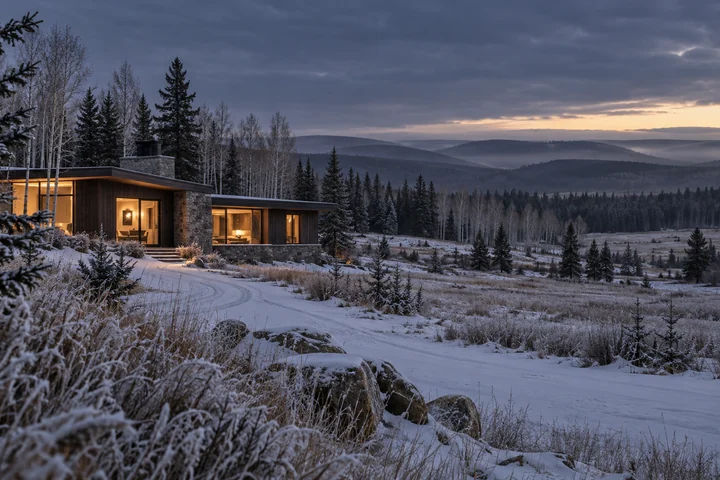
A foothill outlook, wooded parkland garden and open prairie horizon invite different compositions. Trees may make the window feel sheltered, while open ground brings sky strongly into the room. A home can respond to that actual setting instead of borrowing the same picture of country life for every region.
Explore foothill life, central parkland and southern prairie for different landscape experiences. In a particular property, observe what is visible from each room and what draws your attention. The most personal view may be a close group of trees you come to recognise, rather than the direction that produces the broadest photograph.
Architecture · Windows & light
The view has a winter structure.
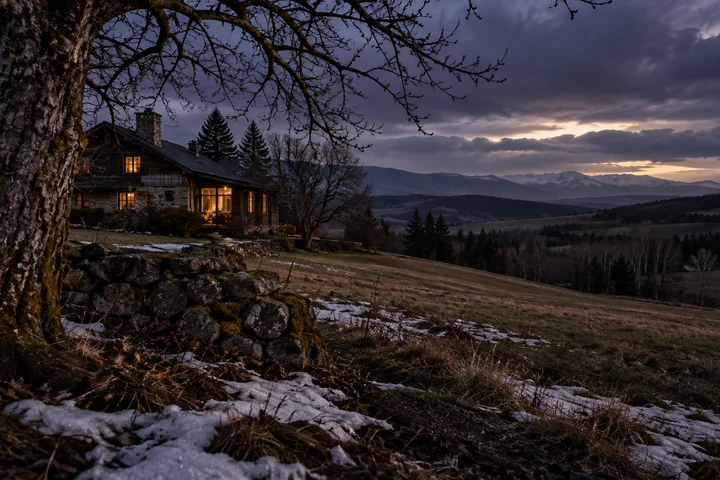
Bare branches reveal relationships that summer leaves can soften or conceal. The outline of a tree, the distance between trunks and a ridge beyond them become part of the composition. Snow changes the appearance of the ground again. A window can offer a quieter, more graphic landscape during this part of the year.
Imagine the room with that view rather than judging it only from summer photographs. A warm chair, timber surface or textile can bring a different kind of detail to the foreground. The outside does not have to remain colourful to remain interesting. In an established home, ask about seasonal photographs and take time to understand the actual setting instead of assuming how the outlook changes.
Architecture · Windows & light
Notice the small changes close to home.
Spring can make the near view especially engaging. The ground emerges in patches, a familiar tree begins to change and the garden returns to attention. A room overlooking that close landscape offers a place from which to notice the process. The experience can feel intimate because the details belong to a small area you see repeatedly.
A distant view has its own drama, but the house can make room for both. Consider whether the kitchen table or a quieter chair looks onto something that changes at close range. A country home becomes familiar through those recurring observations. They can matter as much to daily pleasure as the extraordinary view that first drew you towards the property.
Architecture · Windows & light
Let summer be experienced from several rooms.
Summer foliage can give a window a sense of enclosure. Leaves and garden planting bring texture close to the glass, while an opening between trees may retain the far view. The house can offer different experiences of that season: a bright gathering place, a more secluded room and a porch that draws you outdoors.
Think about the relationship between the interior and the garden. Which door would you use to step outside? Where would you sit on returning? The window and door can form part of the same daily sequence. A useful design brief describes those movements and preferences, with the details developed for the site rather than assumed from a particular compass direction.
Architecture · Windows & light
A quiet sky can give the room another character.
An overcast day changes the way you notice the interior. The far landscape may feel softer, while the texture of a wall or a piece of furniture attracts more attention. The room can have a settled atmosphere without the drama of strong sunlight. It is worth imagining the home in this ordinary weather as well as on its most spectacular day.
Look at the materials you would live with through those changes. Pale plaster, substantial timber and a woven piece can each give the eye something close to enjoy. Our Arts and Crafts guide considers that relationship between rooms and useful objects. A country interior can offer depth through material and scale while the weather provides its own changing background.
Architecture · Windows & light
Look at how a public building uses light and space.
DIALOG’s account of Calgary Central Library describes a skylit atrium and differing daylight conditions within the building. Designed in association with Snøhetta, it offers a public example in which a large interior has several kinds of spatial experience. The library’s official page provides a starting point for learning about a visit.
Walk through a public building with attention to how places feel. Where does the space open up, and where would you choose to sit quietly? The observations can enrich a conversation about home without turning a civic building into a residential specification. At domestic scale, the useful question is how different rooms can give the household different ways to enjoy light and enclosure.
Architecture · Windows & light
Look beyond the glass to light in the garden.
The university describes the Aga Khan Garden through geometry, water, light and shadow within a contemporary interpretation of Islamic landscape architecture. Its cultural context and public scale belong to that specific place. It can prompt careful observation of landscape as an experience shaped by more than a distant view.
At home, watch how the garden appears from the room through the day. A wall, tree or planted edge may become more noticeable at one hour and quieter at another. You can enjoy that changing composition without reproducing a named garden. Let the close landscape belong to the property and the people who use it, with enough detail to remain rewarding from indoors.
Architecture · Windows & light
Give privacy a place in the design.
A window also relates the room to anyone outside it. Think about the approach, neighbouring uses and the household’s preference for privacy. A bedroom, bathroom and main sitting room may call for different experiences. Those needs belong in the conversation alongside the view, rather than arriving as an awkward detail after every opening has been decided.
Curtains or other suitable window treatments can become part of the room’s character. Consider them open, partly drawn and closed, with furniture and lighting in place. The fabric, scale and way they gather affect the interior composition. Selection and installation should suit the particular window and use; the design aim is a room that remains comfortable through the different parts of the day.
Architecture · Windows & light
Let the room become its own evening destination.
After dark, the far view may recede and the glass can reflect more of the interior. The room then needs pleasures of its own: a lamp beside a chair, a familiar object, the texture of a curtain or a place for conversation. An interior designed around daytime scenery alone may leave those evening possibilities unexplored.
Imagine where you would settle after dinner. What would be close enough to enjoy, and how would the room feel from that seat? Our after-dark guide considers the wider country evening. Inside, lighting and furniture can give the home an intimate atmosphere that is related to the landscape without depending on seeing every part of it at every hour.
Architecture · Windows & light
Give the room something worth looking towards.
A painting, cabinet or woven object can offer a second focus when the window is quiet. The room gains another layer of interest, allowing the eye to move between the country outside and the things people have chosen to live with. This can make an interior feel personal without filling every wall or surface.
Think about placement from the seats you actually use and under the lighting you expect to enjoy. For a particular artwork or material, ask its maker, gallery or a relevant specialist about suitable display and care. The art guide explores collecting and living with work in Alberta. A thoughtful room gives both the landscape and the collection enough space to be appreciated.
Architecture · Windows & light
Understand an older window before changing it.
In an older home, the arrangement and proportions of windows may be central to the way the rooms feel. A small opening can hold a distinctive view, while the depth of the wall or familiar trim contributes to the interior’s character. Spend time noticing those relationships before assuming that a larger opening would improve the whole experience.
Where changes are being considered, establish the building’s records and obtain appropriate property-specific design, condition and heritage advice. The heritage care guide introduces that wider process. Visual affection for a feature and technical assessment answer different questions, and both can inform a considered next chapter. A photograph or a general style description cannot resolve the condition of an individual window.
Architecture · Windows & light
Collect observations before collecting specifications.
A useful brief might include three small scenes: breakfast with the garden in view, an afternoon reading in a quiet corner and an evening with friends. Add photographs or sketches that explain what you enjoy about the light, frame or feeling of enclosure. Say where the image was made and what attracted you, so its context remains clear.
Those observations give a designer a starting point for the particular building and site. The resulting home may have broad windows, smaller framed views or a considered mixture of both. Its lasting pleasure comes from the rooms as they are lived in, with a landscape that changes and familiar places to enjoy it. Continue into arrival to follow that experience from outside to inside.