Architecture · Contemporary country
Give the land the first word.
Before imagining the façade, describe the place. There may be a clearing within aspen, a gently rising meadow or a broad horizon beyond a shelterbelt. Where does the ground feel enclosed, and where does it open? Which detail would you want to see from a kitchen table? These observations begin a more personal design conversation than a favourite elevation copied from somewhere else.
A house can acknowledge the site through its position, outline and sequence of spaces. A lower wing might follow a woodland edge, while a room at the end opens towards a longer view. The choices become convincing when they respond to something particular. The building and the country then feel like parts of the same experience.
Architecture · Contemporary country
Let a substantial house have a human scale.
A contemporary home may be large enough for family, work and guests while still feeling approachable. Lower connecting spaces, a clearly marked entrance and a few smaller volumes can give the whole composition rhythm. From the approach, you can understand where someone would enter and where the household gathers. Scale becomes legible through relationships rather than a single uninterrupted wall.
Inside, a generous principal room can coexist with more intimate spaces. The ceiling might change as you move from kitchen to dining area, or a smaller room might sit just beyond the main gathering place. Imagine each space occupied. A home feels welcoming when the architecture offers comfortable settings for two people as thoughtfully as it accommodates a full table.
Architecture · Contemporary country
An Alberta modernist reference in the trees.
The University of Alberta’s Dyde House account identifies Arthur Erickson’s only Alberta house project and describes its relationship with landscape. The university notes early masonry work and “flying beams” among its architectural features. The family acquired land in 1959; that purchase date should not be treated as a stated house completion date.
Its place in the conversation is the possibility of modern architecture that pays close attention to a country setting. Your own response may be much smaller and simpler: a view held between walls, a room opening towards trees or a sequence that allows the garden to appear gradually. The university’s conservation information does not establish routine access to the interior.
Architecture · Contemporary country
Contemporary wood with regional character.
The Philip J. Currie Dinosaur Museum architects describe a Wembley building whose forms and visitor sequence connect with its subject and regional landscape. Its timber construction includes custom laminated plywood nodes joining multiple beams. The project shows wood participating in an ambitious contemporary architectural language, with references to the region’s agricultural and forestry context.
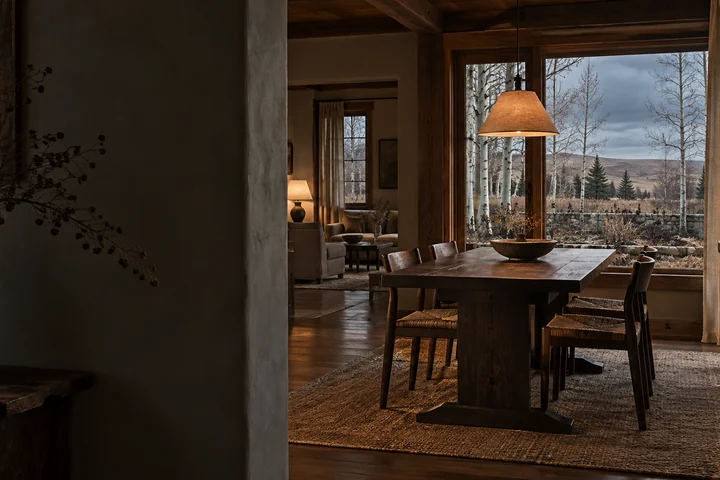
A museum and a home have different needs, but the example opens a useful conversation. Timber can provide rhythm, warmth and a visible organising idea without a decorative period theme. In a house, a much quieter expression may be appropriate: a ceiling over the dining table, a sheltered entrance or a sequence of smaller spaces. Use the museum’s own information to plan a visit.
Architecture · Contemporary country
A modern chapter beside an older one.
Contemporary design can enter a conversation with an existing building. A Galt Museum historical article records the 2006 expansion beside the historic 1910 hospital wing. This is a public cultural example in Lethbridge, rather than a country house, but it gives another perspective on buildings changing over time.
For a home, the interesting question is how a new room or addition will relate to the parts already valued. A clearly expressed new chapter may allow the older one to remain legible. Proportion, connection and the experience of moving between spaces matter as much as a finish palette. Where heritage significance is documented, that conversation belongs with the appropriate conservation and design expertise.
Architecture · Contemporary country
A roofline that gives the landscape room.
A low, clear roofline can draw the eye across a house towards woodland or a distant ridge. A change in height may mark the main room, while a lower part gives the entrance a more intimate scale. The effect depends on the actual setting. In open country, even a small variation can become prominent against the sky.
Look at the silhouette from several points, including the approach and garden. Then imagine the underside of the roof where you would stand or sit. The architectural idea has to work at both distances. An architect can explain the construction and performance decisions specific to the building; the lifestyle question is how the form gives daily life a pleasing relationship with the country.
Architecture · Contemporary country
Choose views for particular moments.
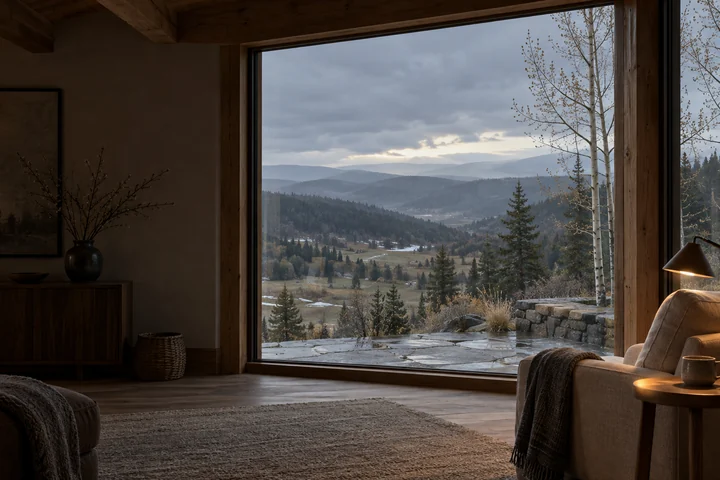
A broad opening can make a living room feel immersed in the landscape. A narrower window beside a bed can create a very different pleasure: a glimpse of aspen trunks, morning cloud or the changing garden. Variety gives the house a richer relationship with its setting. The view becomes something you encounter through the day rather than a single continuous backdrop.
Imagine each window from where you would use the room. Sit at the proposed table, stand at the kitchen counter and picture a chair near the wall. Think about privacy and neighbouring activity alongside the view. A designer can help resolve those relationships in the actual plan. The result should feel personal to the household and to the land immediately outside.
Architecture · Contemporary country
Give a beautiful wall something to do.
Contemporary rooms often benefit from a few quiet surfaces. A wall can hold art, give a desk a comfortable position or make a seating group feel settled. It can also create a pause between views. When every surface demands attention, there is less room for the country or the objects you choose to bring into the home.
Think about where your belongings would live. A painting needs an appropriate setting; books need a place within reach; a family table may be more comfortable with a solid surface behind it. These are practical questions with architectural consequences. A well-considered interior has enough structure to support life and enough openness to let it change.
Architecture · Contemporary country
Warmth through a few well-handled materials.
Dark timber beside pale stone, plaster beside a woven fabric, a quiet metal detail at the entrance: a contemporary palette can be restrained and still feel rich. The texture of each material matters more when there are fewer competing elements. Grain, joints and shadows become part of what you notice when you sit still.
Look at materials together in the home’s light. A dark finish may appear calm beside a view but dominate a small enclosed room. A pale surface may give evening light somewhere to settle. Our timber and stone guide explores these choices more closely. The aim is a coherent interior that feels comfortable beside the natural complexity of trees, grass and sky.
Architecture · Contemporary country
An open room with several places to be.
A combined kitchen, dining and living area works best when each activity has a recognisable place. The table may sit near a window; seating may gather around conversation; the kitchen can remain connected without becoming the only thing you see. Furniture, ceiling changes and the arrangement of openings can help those parts feel related and distinct.
Imagine a weekend with guests. Some people are cooking, others are talking and someone wants to read quietly nearby. Where would each person settle? Consider sound, movement and the view from each seat. A generous room becomes useful when it supports more than one occupation at a time, including the small daily scenes that occur when there is no gathering to host.
Architecture · Contemporary country
A door you can close is a luxury too.
Alongside open rooms, a contemporary home can offer a study, reading room or bedroom corridor with a calmer atmosphere. These spaces allow a household to share a home without sharing every activity. A smaller room with a good window can feel wonderfully complete, especially when the principal space is busy.
Consider work calls, early mornings, visiting family and different bedtimes. The plan can accommodate those ordinary variations through clear connections and a few moments of separation. Privacy also shapes the outdoor experience: a bedroom garden view might benefit from being away from the main terrace. The best arrangement grows from the people who will use the house, including how their needs may change.
Architecture · Contemporary country
Make room for an actual country life.
A calm contemporary interior needs somewhere for the things that make life possible. Coats, boots, sports equipment, serving dishes and the week’s groceries do not disappear because the architecture is restrained. Storage close to where an item is used can make the whole house feel more relaxed, leaving the principal rooms ready for ordinary enjoyment.
Describe those belongings early in a design conversation. A useful mudroom, pantry or linen cupboard can be as satisfying as a striking view when the house is occupied. Think about the route from the vehicle to kitchen storage, and from guest room to bathroom. A clear plan allows the home to keep its architectural character while accommodating a household that is comfortably present.
Architecture · Contemporary country
A terrace can complete the room.
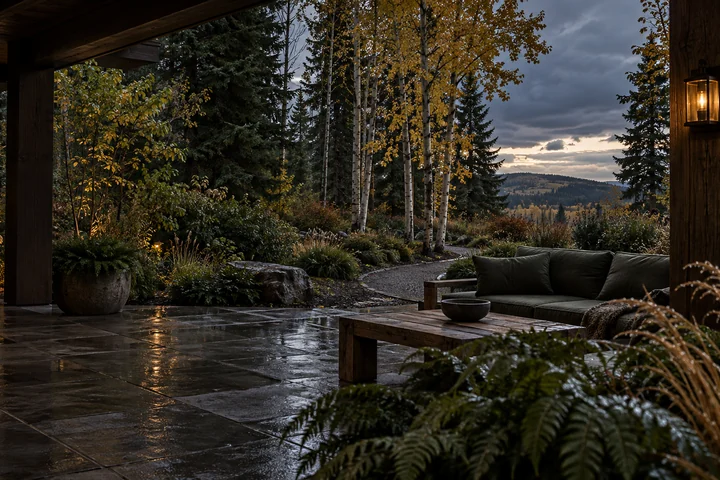
A contemporary room may open onto a terrace that extends its sense of space. The outdoor area can have its own scale: a place for a table, a sheltered chair or a small gathering near the garden. It is worth imagining the furniture and the routes around it, rather than treating the terrace as an empty plane in a rendering.
From inside, the terrace remains part of the view through every season. A few well-placed garden elements can give it character when nobody is outside. Our country garden guide explores that meeting of cultivated ground and larger landscape. The pleasure is a sequence that feels natural, from a comfortable interior to an outdoor place you have a reason to use.
Architecture · Contemporary country
Let winter reveal another version of the house.
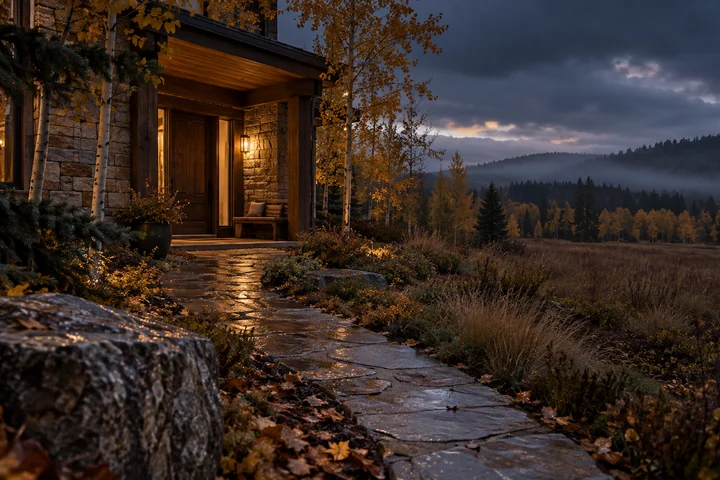
Snow changes the visual balance of a country home. Dark cedar can become more pronounced against pale ground, while bare branches reveal layers that summer foliage conceals. A warm window gives the approach a different focus at dusk. A contemporary house can be especially compelling in that reduced palette, with its forms easy to read.
Imagine winter from indoors as well. A view of nearby trees may become more intricate; a quiet room may be the place everyone chooses on a long evening. For a particular property, the practical experience of winter access and the building’s condition needs specific investigation. Our focus here is the atmosphere you would want to inhabit, and the rooms that make the season feel rewarding.
Architecture · Contemporary country
A summer house within the same walls.
In summer, the same architecture can feel expansive. Openings frame leaves rather than bare trunks, the garden draws attention outside and a terrace becomes part of the daily route. A room with a clear connection to the landscape can offer a different experience without any change to its furniture. The country supplies much of the variation.
Think about where breakfast, lunch and an evening conversation would naturally happen. A shaded outdoor seat might be more appealing than the widest panorama at certain times. The house can provide several choices, each with a purpose. Those modest alternatives give a home flexibility and help it remain interesting beyond the dramatic moment captured in its best photograph.
Architecture · Contemporary country
Design for the room reflected in the glass.
After dark, a large window becomes part of the interior as well as a view outward. Furniture, lamps and artwork gain importance. A room that felt complete because of its daytime panorama may need another layer of character at night. Notice whether there are comfortable places to look and settle when the country beyond is mostly unseen.
A lamp beside a chair, a lit dining table and a textured wall can give the evening its own composition. The entry can remain a clear, welcoming point on the approach. Our after-dark guide follows the wider pleasures of dusk and night in Alberta. At home, the strongest architecture often supports a quiet evening as convincingly as it presents a daytime view.
Architecture · Contemporary country
Let the architecture hold a personal collection.
A contemporary home does not require every object to be contemporary. An older table, a woven chair or pottery collected on a local outing can give clean-lined rooms a human history. The relationship works when scale, colour and placement are considered. One familiar piece can keep a new interior from feeling anonymous.
Artwork adds another way to engage with the landscape and culture around you. A painting might bring a different season into a room, or a small sculpture might reward a closer look beside the window. Our art and gallery guide explores those connections. Allow the collection to grow gradually; the house can provide a coherent setting while leaving room for discovery.
Architecture · Contemporary country
Write a brief you could recognise in daily life.
Begin with a short description of the home you want to inhabit. Perhaps it is a warm house among trees, with a table facing the garden, a quiet workroom and space for friends to stay. Add the routines that matter: returning from a walk, cooking together, reading after dinner. These details make a design ambition concrete without deciding every architectural solution in advance.
Bring that brief to an architect or designer alongside the actual site and constraints. For a residential acreage search, share it with Dusko through the existing consultation flow. The .ca ownership library complements this discussion with practical resources. A beautiful idea becomes more useful when it is connected to a particular property and the household’s everyday needs.
Architecture · Contemporary country
Choose the modern home you will enjoy inhabiting.
Look again at the house after the first impression. Notice the doorway, the smaller rooms and the places where the land comes close. Imagine a grey afternoon, a busy kitchen and a guest reading before everyone else wakes. Contemporary architecture earns its place in country life through those varied experiences, as well as through the clarity of its forms.
A low roof, warm timber and carefully framed views can create an extraordinary setting. The lasting pleasure comes when that setting supports a real life: rooms that welcome you, materials you enjoy and a relationship with the country that grows familiar. Return to country architecture to explore the wider conversation between arrival, landscape, heritage and home.