The country year · Spring
Begin with the details near the door.
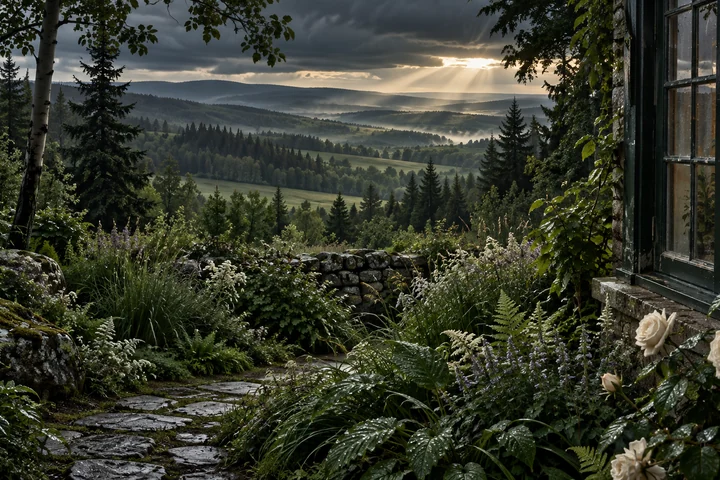
The nearest part of a garden can make spring visible during an ordinary day. A wall reappears as the ground changes; a branch is seen against a different patch of sky. You encounter these things while carrying a cup or moving between rooms, without setting aside a special outing. A close view gives the season a place in the household’s routine.
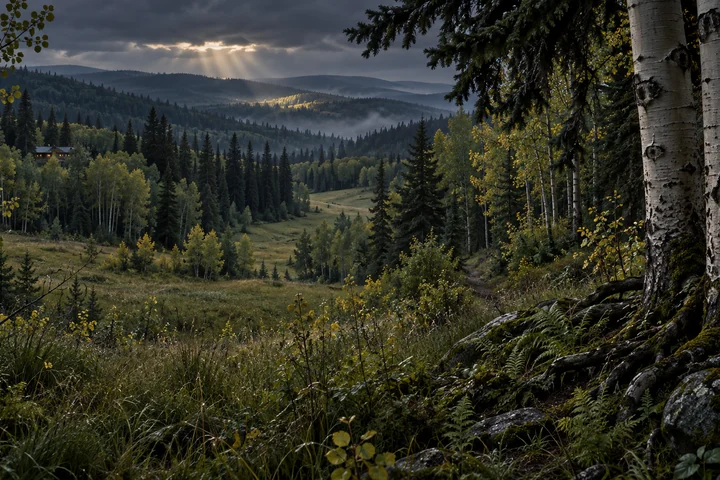
Notice which details you keep returning to. They may be quieter than the main panorama: the line of a path, a tree beside the kitchen or an old pot at the edge of a step. When imagining a country home, include those small encounters in the brief. They can be the reason a broad setting feels personal, connecting the scale of the landscape with a life lived close to the house.
The country year · Spring
The quieter garden reveals its shape.
Before planting becomes full, the garden’s composition is easier to read. You can see where a path turns, how an open area relates to the house and which trees give the place a strong outline. A low wall may connect two parts of the view that later appear separate. Spend time looking from indoors as well as from the garden itself.
This is a useful moment to distinguish an appealing structure from a wish for more flowers. What would make you use the space more often: a clear route, a comfortable stopping place or a view through an opening? The gardens guide explores those relationships. Specific planting and work need site knowledge, but a careful description of how you want the garden to feel and be used is a valuable beginning.
The country year · Spring
A gate can give the garden a small sense of occasion.
Passing through a gate changes the scale of an outdoor space. A broad view becomes a closer sequence of path, planting and a place to pause. The gate need not be ornate to have that effect. Its position and the view beyond it can be enough, especially when it marks the transition from the household’s immediate garden towards a quieter corner.
Look at the experience in both directions. On the way out, what draws the eye? On the return, how does the house appear? A small garden structure can frame the scene without needing to dominate it. In the artwork, iron, stone and wet brick establish the nearest layer while the landscape continues far beyond. The setting is imagined, but the question is useful in a real home brief: how might the route make everyday movement enjoyable?
The country year · Spring
After rain, the materials have another presence.
Brick and stone can appear richer in tone when wet, with the pattern of joints and the grain of a surface becoming more distinct. Leaves hold small points of light. A quiet garden suddenly has more contrast, even under an overcast sky. From a window or sheltered seat, those changes can be enjoyed at close range without needing the whole landscape to be dramatic.
Observe the actual surfaces you would live around rather than choosing only from a bright photograph. How does the route look in subdued light? Which parts of the garden remain visually interesting when the distant view is muted? The answers can help you explain a preference for texture, enclosure or depth. Material beauty and practical suitability are separate considerations; both belong in a considered conversation about the real property.
The country year · Spring
Let the first greens have room.
A restrained garden can make a small change in foliage feel significant. New leaves stand against the darker mass of spruce or the pale line of a wall, with the open ground still visible between them. The composition gains energy without needing every part to flower at once. Looking closely reveals a range of tones within what first seemed simply green.
Keep a few notes about the combinations that engage you in public gardens and in the place you live. You might be drawn to a single flowering tree, a textured edge beside a path or an opening towards the meadow. These are visual observations, not a planting prescription. A local gardener or designer can connect the experience you want with the conditions and responsibilities of the actual site.
The country year · Spring
A small working garden can enrich the day.
A kitchen garden or potting space can offer a reason to return outside often. Its appeal lies partly in the close scale: a path between beds, a place for tools, a table where something can be examined or arranged. You see progress through repeated visits, and the garden becomes an activity as well as a view from the house.
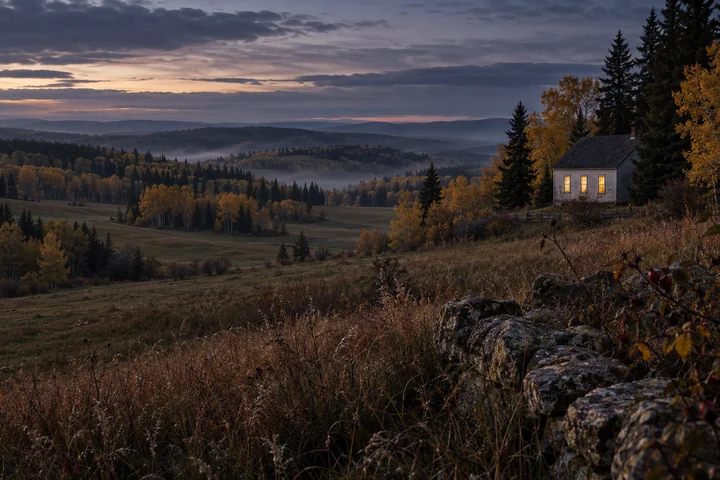
Imagine a manageable routine before imagining an extensive layout. Where would you put a few things down? Is there a comfortable place to pause nearby? What would you enjoy doing for half an hour on an ordinary afternoon? The answer may be a modest cultivated corner rather than a large garden. The art’s timber-and-glass building suggests that intimate relationship; it does not establish a real growing season, structure specification or permission to build.
The country year · Spring
Find a place for the first cup outside.
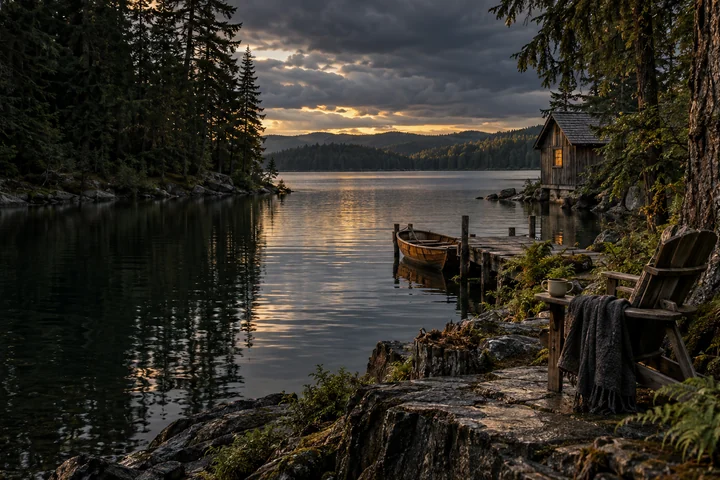
A suitable spring morning can make a very small outdoor place feel generous. A chair beside the door and somewhere for a cup may be all the occasion needs. The house remains close, while the garden supplies a different light and a new set of details. The interval can be brief and still change how the day begins.
Choose the position by spending time there. The view from a seat may differ greatly from the view while standing at the doorway. A nearby branch, the edge of a wall or a turn in the path can give the scene depth. Our outdoor rooms guide explores these useful relationships. A spring seat earns its place by being inviting enough to use whenever the day suits it.
The country year · Spring
The room beside the garden can find another role.
As your attention moves outside, a room with a close garden view may become the preferred place to read or work. Try using it at different hours before deciding it needs a new arrangement. A small shift of chair or table can bring the view into everyday reach. The room begins to respond to the season through use.
Look for a balance between the outlook and the activity. A beautiful window is more enjoyable when the seat is comfortable and the table supports what you are doing. The windows and light guide follows those relationships in detail. Spring can reveal a quieter part of the home that was overlooked during the main gathering season, giving the house another useful place without adding a room.
The country year · Spring
A public garden can connect nature with local history.
In Lacombe County, Ellis Nature Centre brings gardens and nature interpretation into a setting around the original Ellis farmstead. The operator describes gardens for birds and pollinators alongside woodland and wetland experiences. It is a distinct public learning place, where a visit can bring close observation and the story of a working landscape together.
The centre operates on a published seasonal schedule, so a spring idea should begin with its current opening information rather than an assumption of early-spring access. Choose the visit for the actual date, facilities and group. A detail noticed there may become the subject of conversation at home: how a path approaches an older building, how a garden invites looking or how a familiar landscape can be understood more closely.
The country year · Spring
Make observation part of the outing.
Give one public place enough time that you can notice more than its principal view. Walk slowly where access allows, stop at a useful seat and look back along the route. A framed opening may be more memorable than the broad scene beyond it. You can come home with a stronger sense of what you enjoy in a garden without needing to copy its design.
A notebook or a few photographs can help retain those impressions. Record the relationship rather than only the object: a tree beside a wall, a path leading towards a building or a bench looking across a small open area. The central parkland guide offers further regional starting points. Personal observation becomes a useful layer alongside documented local history and the practical facts of any property you consider.
The country year · Spring
Let the landscape hold its own activity.
Part of a garden’s interest comes from events you did not arrange. Movement in the branches or a sound beyond the open door can draw attention away from a task for a moment. Leave space for that looking. You do not need to identify everything at once or turn each encounter into a photograph for it to enrich the day.
Public interpretation can help you learn more about the places and species that interest you. Follow the operator’s guidance at nature sites and enjoy wildlife without expecting a particular sighting. At home, a wish to welcome birds or pollinators should be connected with sound local advice and the actual landscape. The lifestyle pleasure begins with curiosity; the details of habitat, planting and care deserve their own informed attention.
The country year · Spring
Let the nearby community become familiar again.
A spring day can be shaped by one ordinary errand and time to enjoy the place around it. You may collect something for supper, stop at a gallery or meet a friend before returning home. The outing becomes part of the country life because it is repeated, not because every visit needs a new destination. Familiar people and places give the landscape a social scale.
Choose the actual community around your interests. Our country food guide and art guide introduce distinct Alberta examples, each with its own arrangements. Think about what you would enjoy returning to during the year. A home brief becomes richer when it includes those relationships alongside trees, rooms and views, explaining how the wider place might enter an ordinary week.
The country year · Spring
Bring the garden’s informality to the table.
A spring meal can feel fresh through the way it is shared rather than through an elaborate seasonal menu. Leave room for serving bowls, pass things easily and let conversation continue while the last dish is prepared. If part of the day has been spent outside, the meal already has a subject. People bring their observations and the table gives them somewhere to settle.
Use ingredients that suit the plan and are actually available, with local producer and market information guiding particular purchases. A familiar recipe can be a generous choice because the host is free to take part. The room’s relationship with the garden may contribute more atmosphere than extra decoration: a view through the door, a small branch outside the window or the changing light across a plain table.
The country year · Spring
A garden can become the subject of a quiet project.
Drawing the same view more than once can reveal changes that pass unnoticed in a quick photograph. You might sketch a branch, arrange a set of images or write a few lines about the garden after rain. Give the project a place where it can be resumed. The purpose is to spend time with something that interests you, with the season supplying new material.
Keep the activity close to the life of the house. A small table near the window or a notebook beside the chair may be enough. Our Arts and Crafts guide explores the relationship between making, useful objects and the garden. A personal record can become part of the home’s character, carrying the memory of particular afternoons rather than attempting to reproduce an ideal country scene.
The country year · Spring
An older garden setting invites better questions.
A worn step or a mature tree can make a place feel established, but its appearance cannot tell the whole story. Ask what is documented about the house and grounds, and which parts have changed. Public collections and site histories can introduce the people, work and creative interests that shaped a setting. That record gives the view another layer beyond the impression of age.
The historic country homes guide and conservation guide follow those distinctions. In your own home search, let affection for character lead to informed curiosity. A garden can be enjoyed for the relationships it offers now while its history is explored carefully. The spring artwork is a new imagined composition, with no claim that its gate, building or grounds represent a recognised heritage place.
The country year · Spring
Keep a spring visit open enough to change.
Friends may arrive expecting time in the garden and find that the day is better spent around the kitchen table. A welcoming house makes either version feel complete. Offer a comfortable indoor place with the garden still visible, and let an outdoor interval happen when it suits the group. The visit can move naturally between looking, talking and preparing a meal.
Think about guests who enjoy different paces. One person may want to explore the garden closely; another prefers a quiet seat. The hospitality guide considers those small freedoms. A country gathering feels generous when people can find their place without every hour being arranged. Spring offers enough variation of its own, leaving the host free to pay attention to the people rather than defend a fixed plan.
The country year · Spring
Enjoy the sequence beyond the strongest blossom.
A flowering tree may give the garden a vivid moment, but the days around it can be just as interesting. Beforehand, the structure is clear; afterwards, leaves begin to connect the tree with the rest of the planting. The view changes its emphasis rather than simply improving towards one peak. Repeated looking lets you enjoy more of the season.
Avoid judging a country setting from a single ideal image. Visit at different times where possible and notice which elements remain compelling. A path, close tree or relationship between house and meadow may matter through several phases. The country year follows that continuity across seasons. A home becomes more personal as you recognise its quieter intervals alongside the days when the garden seems to announce itself.
The country year · Spring
Write down the pleasures you would like to repeat.
Describe a spring morning in enough detail that someone else could picture it. Which door would you use? Where would you sit with a cup? Would you spend time growing something, making something or going to a public garden? These questions turn a broad wish for country space into a more useful account of daily life.
Keep the brief flexible about how a real home might provide those experiences. A small garden room may serve the purpose better than extensive grounds; a nearby public place may satisfy an interest that does not need to be recreated on the property. Connect the lifestyle picture with actual site information and appropriate advice. The aim is a place you enjoy knowing closely, with enough room for the season to keep surprising you.
The country year · Spring
Let spring lead naturally into the rest of the year.
The seat used for a short spring interval may become a summer reading place. A path first noticed in rain may later carry people towards a meal in the garden. The home’s character develops through these repeated uses, with each season changing the setting around them. Small discoveries become familiar pleasures rather than disappearing when the strongest colour has passed.
Continue with summer country life, autumn close to the land and the winter home to imagine that fuller sequence. Spring gives you a way to begin: look closely, find a few places you want to use and let the surrounding country enter the day. The appeal grows through the relationship between the garden you notice and the life you make around it.