Living heritage · River country
Begin with a distinct people and a living culture.
Métis Crossing’s heritage introduction presents the Métis as a distinct Indigenous people, with their own history, culture and language. It introduces Michif, music, dance and creative traditions alongside continuing community life. Métis identity is not a general label for mixed ancestry, nor another word for First Nations.
That starting point gives a visit a clearer purpose. Listen to how the hosts introduce themselves and the experiences they offer. A story, a piece of music or an object gains meaning through the people sharing it, rather than through a broad assumption about Indigenous culture.
You can arrive with different levels of knowledge and still take part thoughtfully. Read the destination’s introduction before travelling, choose a programme that interests you and leave space to ask questions within the format offered. There is no need to turn a first encounter into a claim of expertise.
A return visit can develop an interest that began almost by chance. Perhaps a craft process holds your attention, or a historical explanation changes the way you look at the river. Follow that thread through the hosts’ resources and programmes, allowing understanding to develop over time.
Living heritage · River country
The river lots give the landscape a human scale.
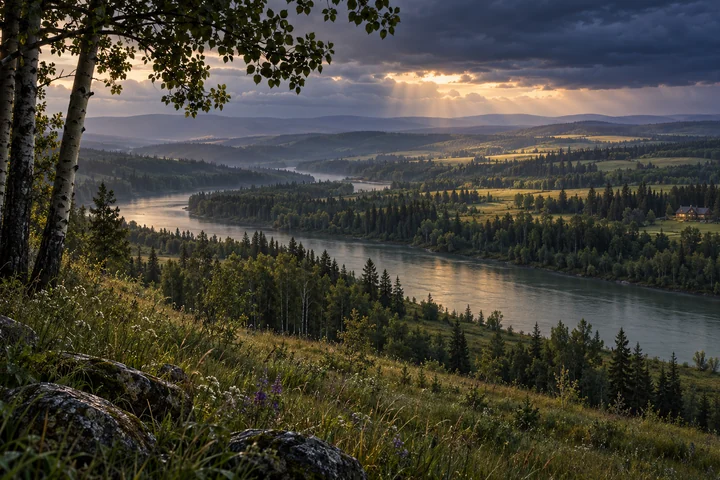
Métis Crossing’s account of its land places the destination on historic Métis river lots. The broader Victoria District National Historic Site designation identifies a living rural cultural landscape, including long, narrow river lots extending from the North Saskatchewan River and later township patterns.
This is a useful way to look beyond the river as a scenic feature. The relationship between water, settlement and the shape of the land can become part of what you notice. Ask how the hosts explain those patterns and which surviving features help make them visible.
Parks Canada’s account also describes layers of travel, gathering and settlement in the district, including Cree and Stoney routes, a mission, the Hudson’s Bay Company post, Métis river lots and later Ukrainian settlement. The resulting landscape contains several connected histories rather than a single uncomplicated origin story.
Treat the designation as an introduction to understanding the district. It does not establish public access across farms or other private land. Use hosted experiences, public destinations and permitted viewpoints, keeping the working and residential character of the surrounding country in mind.
Living heritage · River country
Choose one experience to give the visit its centre.
The signature-experience programme changes with the season. Guided cultural activities provide a different encounter from simply arriving to look around the grounds. The operator encourages advance booking; confirm the particular experience, date and group arrangements before making the rest of the plan.
Start with what you want to spend time doing. A guided outdoor activity, a craft workshop and a cultural learning session ask for different kinds of attention. Choosing one main experience gives the visit a centre while leaving room for a meal and a quieter period by the river.
For a group, discuss that choice before booking. Someone who wants to work carefully with their hands may enjoy a different day from someone drawn to a guided wildlife encounter. A shared visit can accommodate different interests, provided the practical arrangements are clear.
Read what is included and ask about anything that affects participation. Clothing, mobility needs, the age of children and the relationship between indoor and outdoor portions can matter more than a polished description of the day. A little preparation allows you to give the experience your attention once you arrive.
Living heritage · River country
A guided wildlife encounter brings another perspective.
The Visions, Hopes and Dreams wildlife tour is described as a guided SUV visit through paddocks, with bison, elk and Percheron horses among the animals. The operator lists year-round provision subject to booking and specifies that the experience does not include animal interaction.
The guided format matters. It provides a setting in which the hosts can explain the animals and the cultural account connected with the experience. Listen for those relationships rather than approaching the tour only as an opportunity for a close photograph.
Ask in advance about the vehicle and any accessibility requirements. A tour offered through the year can still have conditions that affect a particular visit. Confirm the arrangements directly and follow the guide’s instructions during the experience.
Afterwards, give yourself time to consider what you heard as well as what you saw. Children may remember one animal vividly; another visitor may carry away a historical question. Those different responses can make a shared meal more interesting, especially when there has been room to listen carefully during the tour.
Living heritage · River country
Working with your hands changes the pace.
The workshop catalogue includes capote, moccasin, ribbon clothing and leatherwork sessions, alongside opportunities to finish or repair a project. These are programmed activities with their own booking arrangements. A workshop appearing in the catalogue should not be assumed to run daily.
Choose a session for the process you want to learn, then read the experience level and what is supplied. A new technique asks for patience. The pleasure may lie as much in learning how to hold a tool, handle a material or correct a small mistake as in taking a finished object home.
A workshop also makes the labour in other people’s work more visible. After spending time on a detail yourself, you may look differently at the precision and decisions in a maker’s piece. That recognition can lead to more considered purchases and better questions.
Let the instructor determine how cultural context is shared within the session. Follow the teaching, credit what you have learned and keep any guidance about use or sharing with the project. The object then carries a record of a specific encounter rather than becoming an anonymous souvenir.
Living heritage · River country
The beaded poppy workshop connects making and remembrance.
The beaded poppy workshop page introduces Elder Lilyrose Meyers and connects the activity with stories of Métis veterans and remembrance. Its detailed listing advertises October 24 or 25, 2026, from 9 a.m. to noon. Confirm the selected bookable date and remaining availability directly with the operator.
A session framed around remembrance has a purpose beyond learning a decorative technique. Give the stories and the reason for the object the same attention as the making. The experience can bring a public occasion into a more personal act of care and concentration.
Read the materials and skill information supplied with the booking. If you are travelling with a friend or relative, agree on the session before reserving accommodation. A listed choice of dates does not establish that places remain on both.
At home, keep the programme information with the piece and remember the circumstances in which it was made. A seasonal object can prompt a return to what you heard each time it is brought out. That continuing connection is part of the value of a workshop led within its own cultural setting.
Living heritage · River country
Let the table be part of the cultural visit.
Métis Crossing’s food and drink guide introduces the Bistro at the Lodge and a seasonal Indigenous-inspired approach to food. Bison, berries and bannock appear in its culinary account, alongside a setting looking toward the river. Current menus and dining arrangements should guide the choice for your visit.
A meal can give the day a welcome change of rhythm. After a guided programme, sitting down allows the group to settle and compare what held their attention. There is no need to fill every pause; the view and the food can remain part of the encounter.
Ask about dietary needs when making arrangements and distinguish an ordinary meal from a separately programmed culinary event. A long-table occasion or a special experience may have a different format, date and booking requirement from the Bistro’s regular service.
Choose food because you want to enjoy and understand what the hosts are offering. Read the menu’s descriptions and ask staff appropriate questions about the dishes. The most memorable country table often begins with that direct encounter, rather than an expectation that every meal must deliver a complete cultural explanation.
Living heritage · River country
The kitchen’s relationship with the land has detail.
The destination’s land account describes saskatoon and haskap berry fields supplying its culinary programme, together with regenerative gardens. Those details make the connection between a meal and its setting more specific. They do not establish that every ingredient on a changing menu is grown on the property.
When a host explains a crop or ingredient, notice the scale of the story. A berry used in a dish may connect cultivation, harvest, storage and preparation. Understanding one such relationship can be more rewarding than treating all local food as a single broad idea.
Keep public and working spaces distinct during a visit. A reference to berry fields or gardens is not permission to enter growing areas or gather produce. Ask which places are included in the visitor experience and follow the programme you have booked.
For someone with a country garden, the encounter may raise useful questions about the food they enjoy growing and serving. Begin with those preferences and seek advice suited to the actual home site. A destination’s productive landscape can encourage curiosity while retaining its own conditions, work and purpose.
Living heritage · River country
The Lodge makes room for an unhurried stay.
The Lodge at Métis Crossing is presented as a forty-room boutique property beside the Cultural Gathering Centre on the historic river lots. Its river setting allows accommodation, cultural experiences and dining to form parts of a longer visit, with each element confirmed through its own arrangements.
Choose a room according to the stay you intend to have. Consider the people travelling, the sleeping arrangement and any individual access requirements. Ask directly about the particular room rather than inferring every detail from a general description of the property.
An overnight stay can remove the pressure to finish a programme and immediately begin the drive home. A quiet interval before dinner or a slow morning afterwards gives the visit a different shape. The advantage lies in the time made available, not simply in adding another activity.
Keep room and experience confirmations together. Check what is included in any package, what still needs a separate reservation and how the dining schedule fits. With those details settled, the river view and the pleasure of being away can take up more of your attention.
Living heritage · River country
A dome offers a different relationship with the night.
The Sky Watching Domes are described with transparent ceilings, heated floors and private facilities. They offer a different kind of stay from a conventional room. Compare the particular accommodation options through the operator’s current information, including the arrangements for your group and season.
The appeal is time spent with the changing sky while retaining a comfortable base. Clouds, moonlight and a darkening river-country setting can each shape that experience. A clear night or aurora display remains dependent on conditions and cannot be supplied with the room booking.
Read the cold-weather arrangements before choosing a winter date. The operator’s getting-here and visitor information says the domes are unavailable at temperatures of minus 25°C or lower. Confirm how weather-related changes would be handled for your reservation.
Our Alberta after dark guide explores astronomy and other night landscapes. Here, the pleasure can be quieter: allowing the evening to unfold, looking up from a warm place and waking to a different light over the country. A stay does not need a spectacular sky event to feel memorable.
Living heritage · River country
The cultural programme also includes the stage.
Métis Crossing’s programme included Where Have All the Buffalo Gone? on October 10, 2026. The operator describes a love story moving through seven eras of Métis history. That date is past as of this guide’s October 11 review; it is an example of the programme, not an upcoming performance.
Theatre offers another way to encounter history and contemporary creative work. An audience shares the pace of a performance, with voices, movement and dramatic choices carrying the account. It can complement a visit to a historic place without repeating the same experience.
Use the current events calendar to see what is being offered for a future stay. Read the individual event page, its venue and booking arrangements before reserving around it. An old event page can be useful background while providing no evidence of another scheduled performance.
For a group travelling together, a creative event may provide the main reason to choose a date. Leave time afterwards to talk about it without requiring everyone to have the same response. A country weekend can hold a demanding or moving cultural encounter alongside the pleasures of a comfortable room and a shared table.
Living heritage · River country
A maker market gives the visit another season.
The Holiday Market listing advertises November 28, 2026, from 11 a.m. to 4 p.m. at the Cultural Centre, with Indigenous artisans and local vendors and free public entry. Check the event page for changes before planning a visit around it.
A market gives you the chance to encounter several makers and kinds of work in one place. Take time to ask who made a piece, where the materials come from and how it should be cared for. Let the answers guide the purchase rather than relying on the general identity of the event.
For gifts, keep the maker’s information with the object. A recipient can then follow the work and understand why you chose it. If a piece is intended for a room in your own home, consider where it will be used or displayed before deciding.
The market date can also be an occasion to return after an earlier cultural visit. It changes the rhythm and focus of the destination. Confirm dining and accommodation separately if you want to extend the day; a public event announcement does not establish availability in the Lodge or a particular restaurant service.
Living heritage · River country
Victoria Settlement is a separate historic visit.
Victoria Settlement is a provincial historic site with its own operator and seasonal calendar. Its current homepage reports closure from September 8, 2026 through May 21, 2027. It should not be added as an available historic-house visit to an autumn or winter Métis Crossing stay.
For its operating season, the visitor guide introduces the 1864 Clerk’s Quarters and 1906 Methodist Church, with staff-guided access to building interiors and a riverside interpretive route. These particular buildings provide a different encounter from a broad account of the district’s cultural landscape.
Plan a future visit through the site’s current information. Ask about the guided format and any mobility needs, since access to an outdoor path and a historic interior may differ. Allow time to connect the buildings with the interpretation rather than approaching them only as attractive old structures.
Keep the names straight when arranging the day. Victoria District, Victoria Settlement and Métis Crossing refer to related parts of the river-country story, with different meanings and access arrangements. That clarity prevents an appealing historical connection from turning into an inaccurate promise about what visitors can enter.
Living heritage · River country
Leave room for histories that are harder to hear.
Métis Crossing’s heritage account includes displacement and dispossession alongside cultural resilience and continuing self-determination. A welcoming visitor experience can hold those histories as well as music, making and food. Read the hosts’ account in full and follow the resources they recommend.
A beautiful setting does not make every part of its history comfortable. Give difficult material the time it needs, particularly when it challenges an account you have previously taken for granted. Listening carefully may matter more than finding an immediate response.
In a family group, let questions continue after the programme. Adults and children may have noticed different things or need different explanations. Return to the host’s resources together and distinguish what was actually said from what someone has inferred.
The continuing life of a cultural destination also deserves attention. Contemporary programmes, creative work and hospitality show people making choices in the present. Hold that present life alongside the historical account, allowing the visit to develop a fuller sense of the community sharing its culture.
Living heritage · River country
Give a short stay some open space.
A satisfying visit might centre on one booked cultural experience, a meal and an overnight stay. Leave an interval between them for rest or an available public view of the river. A quiet period can help the day feel substantial without turning it into a sequence of appointments.
Read the operator’s current visitor information for practical details. Its pet guidance distinguishes specific dog-friendly accommodation from indoor venues and restricted areas, with advance arrangements required. Contact the property about your own plans rather than assuming a pet can accompany every part of the visit.
For anyone with accessibility needs, ask about the actual room, activity, vehicle or route involved. A general statement about an accessible building cannot answer every question about a particular programme. Clear arrangements let the group choose the experience that will work well together.
Before leaving home, bring the confirmations and the operator’s contact information into one place. Decide which part of the visit matters most, then let the rest support it. That preparation creates room for the welcome, the learning and the setting to become the things you remember.
Living heritage · River country
Let the visit become part of a wider country life.
A river-country stay can sharpen your sense of what you enjoy at home: a sheltered view, time for creative work, a gathering around food or an evening with enough quiet to notice the sky. Those preferences become clearer through experiences you have actually given time to.
Bring home the specific interest that held you. Continue a project begun in a workshop, follow a maker’s work or return to a resource recommended by the hosts. A visit can have a longer life through those ordinary acts of attention.
Our woodland guide, lake-country story and central parkland guide explore other Alberta settings and cultural destinations. They can help you compare the daily experiences that draw you to different parts of the province.
The broader living-heritage guide introduces further places to learn and return. For someone choosing a country home, access to meaningful experiences can matter as much as the view from the house. The richest life often grows through a few interests pursued carefully and a region that continues to reward your curiosity.