Porcupine Hills country
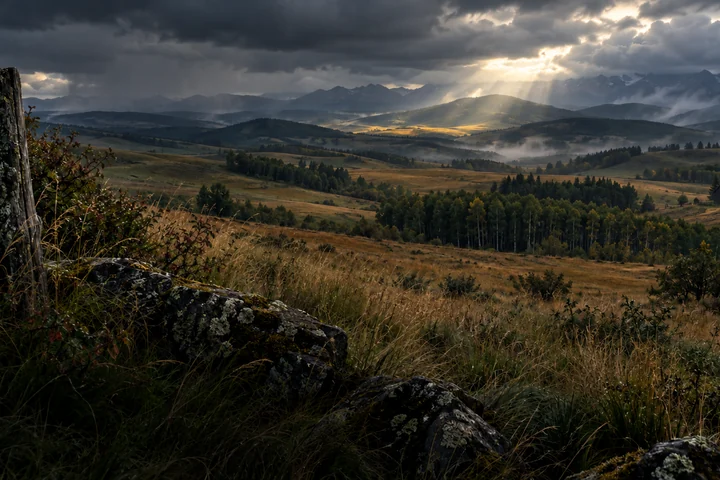
Look at the ridges, then at the spaces between.
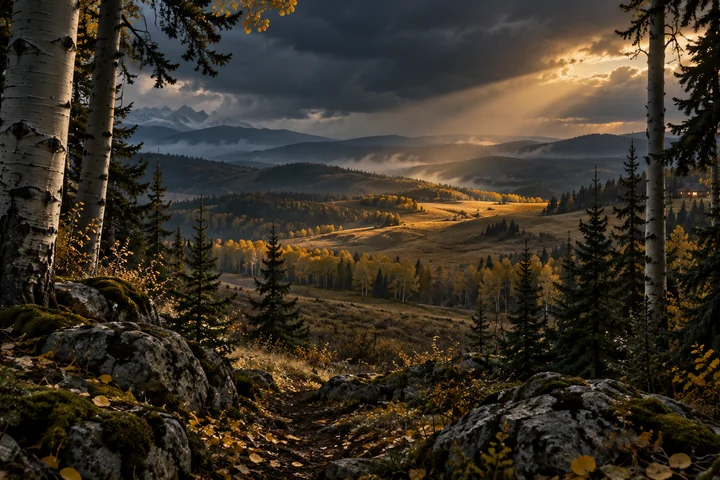
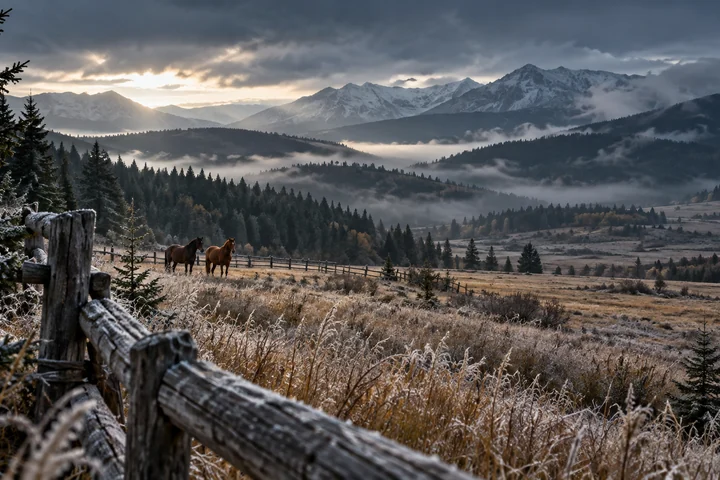
The most absorbing views here often depend on overlap. A nearby grassy rise partly conceals a wooded hollow; beyond it another ridge catches the light, and farther land becomes a muted blue. You can see a considerable distance without seeing everything at once.
That sequence gives a country setting a sense of discovery. It may be the curve of an approach, the way a group of trees screens part of a house, or the moment a room opens toward the broader view. A home does not need to occupy the most exposed point to feel connected to this landscape.
Spend time looking from places you are permitted to stop. Notice whether your eye returns to the open grass, the darker woodland or the remote horizon. Those preferences help distinguish a landscape you enjoy visiting from one you would enjoy seeing every morning.
The experience also changes with light. A view that seems restrained under cloud can become surprisingly dramatic when one slope brightens. Return to the same public place rather than assuming the most vivid photograph describes its permanent mood.
Porcupine Hills country
Give Nanton more than a passing glance.
Nanton's visitor information introduces a town with distinct museums, shops and community destinations. It is worth arriving with one main interest and enough time to walk, rather than treating every stop as a brief interruption to a drive.
The contrast with the hills is part of the appeal. In town, attention comes closer: a doorway, a display, a book you did not expect to find, or a conversation about an object. These small encounters can give a rural stay a memorable human scale.
If you are considering life nearby, spend an ordinary afternoon here as well as an event day. Find out where you enjoy lingering, what you would return for and how the town fits into the pattern of your week. A place becomes familiar through repetition, not through a single successful itinerary.
Let the day leave something open. You might come for a museum and discover an interest in agricultural architecture, or stop for books and decide to return for a seasonal programme. A country life has room for interests that develop over time.
Porcupine Hills country
See the grain elevators as working architecture.
The Canadian Grain Elevator Discovery Centre preserves an important part of Nanton's agricultural skyline and interprets the work associated with it. Its guided tours offer a way to understand structures that are often admired only at a distance.
Look first at purpose. An elevator's height, shape and internal organisation came from moving and storing grain. Machinery, circulation and the relationship to transport help explain the form. That is a richer architectural story than treating the building as a picturesque silhouette.
As checked October 11, 2026, the operator announces the end of its tour season by October 12 and says spring opening dates will be announced in May 2027. Plan a future interior visit around the centre's current information. A separately advertised event does not necessarily mean ordinary tours are running.
The lasting idea is the relationship between usefulness and character. At a country home, a well-proportioned workshop, entry or storage space can have dignity because it serves daily work well. Borrow that clarity of purpose rather than reproducing a grain-elevator outline as decoration.
Porcupine Hills country
At the aviation museum, look beyond the machine.
The Town of Nanton's account of the Bomber Command Museum of Canada describes its volunteer origins and collection of aircraft, wartime vehicles, displays and memorabilia. The museum is both a place of technical preservation and a memorial context; give those aspects equal attention.
Start with the people associated with what you are seeing. An aircraft can prompt questions about crews, training, maintenance and the many kinds of work behind a flight. A label or a guide's explanation can make an apparently familiar machine feel much less abstract.
Then look at the craft of preservation: materials, access panels, mechanisms and the decisions involved in keeping an object understandable. A restored aircraft and a restored building are different projects, but both benefit from records, patience and a clear account of what has been retained or changed.
Use the museum's current visitor programme for any special demonstration. An engine run should be a specifically scheduled event, not an assumption attached to every visit. This guide does not promise aircraft access, a ride or a particular demonstration.
Porcupine Hills country
Leave room for books and objects with a story.
A visit to a small town can become a good beginning for a country library. Tap Town Books is identified by the grain-elevator centre as a local stockist supporting its preservation work. Follow the shop's own information for a visit, and let the books you encounter guide some of your reading about the region.
When browsing older objects or furnishings elsewhere in town, favour curiosity over a fixed decorating list. Ask what is known about a piece, examine how it is made and consider whether you will use it. A useful table or an unusual work on paper can become a stronger memory than a collection assembled to look uniformly rustic.
Keep the story proportionate to the evidence. A dealer's recollection, a maker's mark and a documented provenance are different kinds of information. Record what you have been told without expanding it into a more dramatic history.
At home, allow discoveries to arrive slowly. A shelf with space left on it and a room that can accept an unexpected object will feel more personal over time.
Porcupine Hills country
Read Claresholm through its railway buildings.
The Claresholm & District Museum brings together a 1912 CPR station, an exhibit hall, an early schoolhouse, a log cabin and a caboose. The station also houses seasonal visitor information. It is a useful place to connect the town's buildings with the activities that shaped the wider district.
Give the station exterior a careful look before moving indoors. Consider how a building receives people, marks an arrival and makes its public purpose legible. Then let the museum's interpretation supply the lives and events that architecture alone cannot explain.
The museum's account ranges across regional history, including Blackfoot culture, railway development, women's rights and flight training. Choose an area that interests you and give it enough time. A local collection can open a much larger subject without pretending to contain the whole history of the country.
The published general opening information is seasonal, so arrange a visit through the museum's current calendar or enquiry channel. An attractive building seen from the road is not evidence that its exhibition spaces are open that day.
Porcupine Hills country
Let several histories remain visible.
Grain elevators, stations and aviation collections tell important stories, but they do not begin the history of the land. Southern Alberta is also Blackfoot country, and regional museums and cultural destinations offer different ways of understanding that much longer relationship.
Use named sources and host-led interpretation. Ask whose account a display presents and what lies outside its scope. A history of transport or settlement can be valuable while remaining one part of a larger account. There is no need to turn every institution into an authority on subjects it does not claim to interpret.
Our southern prairie guide introduces Head-Smashed-In Buffalo Jump near Fort Macleod as a separate cultural destination. Give that visit its own planning and time rather than adding it casually to a long hills-and-museums day.
The same care can shape a home. Choose original work with a known maker, preserve family records and enjoy new materials honestly. Invented frontier stories or borrowed ceremonial motifs are a poor substitute for learning about the place.
Porcupine Hills country
Know which country is open to explore.
The Porcupine Hills Public Land Use Zone has its own maps and recreation management. The provincial information distinguishes permitted activities and designated motorised trails. Use the current map and notices to select an outing; a visible track or another person's photograph is not an access decision.
The PLUZ is a particular management area within the broader country described here. Nearby private land, parks and recreation areas can have different rules. Keep those distinctions clear when looking at a map or planning where to stop.
A satisfying visit need not cover a large area. Choose a permitted route that matches your party's experience, leave enough time to return comfortably and allow the landscape to be the focus. If the conditions or access information do not suit the outing, change the plan rather than improvising a route.
For someone considering a nearby home, public recreation is an amenity to understand accurately. It does not confer access across another owner's land or establish rights attached to an individual acreage.
Porcupine Hills country
Plan a separate day beside Chain Lakes.
Chain Lakes Provincial Park offers a different setting west of Nanton, with public day-use facilities beside the reservoir and views toward the Livingstone range. It is the southern Alberta provincial park, distinct from the similarly named recreation area near Athabasca.
A day here can be deliberately simple: a picnic in a designated area, time looking across the water and an activity chosen from the park's current permitted options. The open shore has a different character from a wooded hollow in the hills.
The park page, checked October 11, 2026, carries a FireSmart vegetation-work advisory, with equipment, increased noise and possible temporary closures. Check the current notices when choosing where to spend the day.
Let the park be the day's destination rather than an automatic addition to a long town itinerary. If you want to get on the water, plan that activity specifically for the conditions and rules. A shore visit does not require a boat to feel substantial.
At a home, water need not be part of the immediate view for it to belong to your wider life. Some people prefer a sheltered inland setting and occasional lake days; others find that being beside water is central to their daily pleasure.
Porcupine Hills country
Notice the land's daily work.
Country views include work as well as scenery. Fields, grazing areas, fences, farm buildings and access routes are part of the life of the region. A beautiful light does not suspend their purpose, and an apparently quiet landscape may be in the middle of an ordinary working day.
From public places, notice how practical decisions shape what you see. A sheltering group of trees, the position of an entrance or the way buildings gather can explain much about use and exposure. These observations can inform an interest in country architecture without requiring access to private land.
If you become a neighbour, a courteous introduction and a willingness to learn will matter more than arriving with a complete set of assumptions. Different properties have different activities, and a residential acreage is not interchangeable with an agricultural operation.
For representation and ownership questions, use the practical acreage library and the appropriate professionals. Here, the aim is to see the living landscape clearly enough that it remains appealing after the photograph.
Porcupine Hills country
Make the approach feel like a welcome.
A country home's approach can draw on the hills' gradual revelation. The building might appear between trees, disappear briefly and become clear again near the entrance. That sequence can create anticipation without a monumental gateway or a drive designed primarily for display.
At the door, useful details carry the experience: a covered place to pause, a bench, light that makes arrival easy and somewhere for outdoor clothing. Guests should be able to understand where to go without an explanation from across the yard.
The first interior view need not be the largest panorama. A quiet glimpse of a nearby garden can make the later opening toward the hills feel more generous. Rooms gain character when they offer different scales of enclosure.
These are ideas to discuss against the actual property. Terrain, existing vegetation, access and approvals will determine what is possible. A thoughtfully adapted existing entrance can be more satisfying than a grand new gesture that does little for everyday life.
Porcupine Hills country
Use a few materials with conviction.
In this setting, timber and stone can feel particularly comfortable when their role is clear. A timber ceiling may make a room feel sheltered; a stone hearth or wall can give it weight. Both work best when the proportions and details are considered, rather than when they are applied to every surface.
Let quieter materials support them. Plain walls can hold art, a simple floor can allow a view to remain prominent, and textiles can soften sound. A country room may become more atmospheric through restraint than through a large collection of rustic finishes.
Older objects and contemporary work can sit together naturally. A handmade vessel, a modern photograph and an inherited chair need not share a period to form a coherent room. Their relationship comes through scale, use and the people who choose them.
Look at sample materials in the space at different times of day. The green light of nearby trees and the cooler tone of an overcast afternoon can change a colour considerably. A finish chosen for a photograph may feel quite different when lived with.
Porcupine Hills country
Choose a place to sit close to the house.
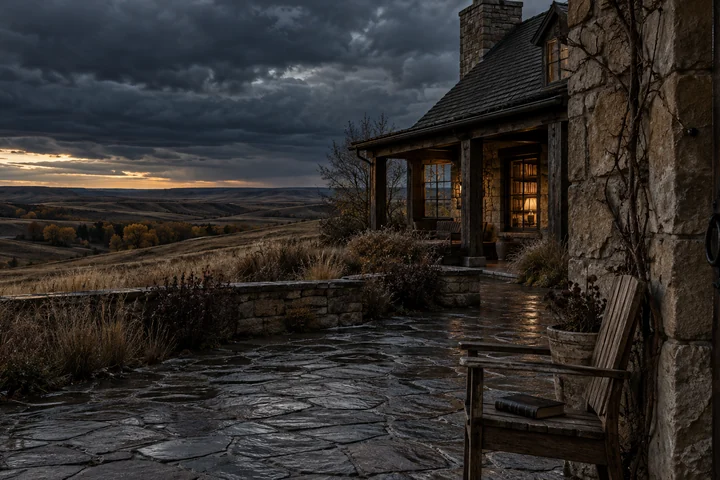
A broad acreage view can be most enjoyable from a relatively intimate outdoor place. A terrace with a clear edge, a seat near planting or a small sheltered court gives the body a sense of comfort while the eye travels farther.
Begin with a real use. Breakfast outside asks different things of a place from a long evening meal. A reading seat needs another kind of arrangement again. You may prefer two modest spaces used often to one large terrace that rarely feels inviting.
Keep planting and maintenance in proportion to your interest. A small garden can bring scent, seasonal change and close detail while leaving the larger country visually dominant. Seek advice for the actual exposure, soil and water circumstances.
After dark, the outdoor room can become a quieter threshold. Light the activity and the path that need it, then allow the surrounding land to recede. An evening at home can feel expansive without illuminating the whole property.
Porcupine Hills country
Let meals follow the day.
After an outing, the most welcome meal is often one that has been planned well enough to feel easy. A warm dish, good bread and something fresh can make a generous supper without turning the host's evening into another demanding task.
Set the table for conversation. Comfortable chairs, dishes people can reach and light that makes faces visible are lasting pleasures. A view adds to the occasion, but people should still feel invited to look at one another.
For a weekend with visitors, prepare some things ahead and leave part of the day open. Guests might spend different hours reading, walking or visiting a museum before returning to the same table. The meal becomes a point of connection rather than the final item on an itinerary.
Town cafés and restaurants can be part of the stay as well. Use current local information for the particular place you choose; a country weekend does not need every meal to happen at home.
Porcupine Hills country
Keep a room for the day that changes.
The hills can be absorbing when the planned outing gives way to weather. A room with a close view of trees or grasses offers something to watch even when distant land disappears. A book, a sketchpad or a long conversation can give that day its own character.
Provide more than one comfortable place indoors. Some people like a bright table near the main outlook; others prefer a smaller seat with a lamp. A generous home allows both without making every room feel like a formal destination.
A shelf for maps and regional books can become part of the pleasure of returning. Keep notes from museum visits, identify an artist whose work held your attention or choose a future event to attend. Curiosity can continue while you remain inside.
This is a useful test when considering a country property. Imagine an ordinary grey afternoon, with no visitors and no special plan. If you can see a satisfying life in that moment, the setting is offering more than a spectacular arrival.
Porcupine Hills country
Return for different reasons.
Spring brings attention to changing ground, new leaves and light moving across grass. Summer can place more of the day outdoors, with seasonal tours and gatherings giving town visits their own rhythm. Autumn suits longer lunches, books and another look at the architecture you passed earlier in the year.
Winter is a different proposition. Build visits around facilities and routes actually operating in that season, and allow indoor interests to play a larger role. A summer tour listing is not a winter opening promise.
Keep a record of what you enjoyed on each visit. You may discover that a modest public outing and a quiet evening are enough, or that nearby cultural programmes are central to the experience. Both are useful answers.
A permanent home should suit the life you want repeatedly. Seasonal visits can reveal which aspects of the landscape continue to hold your attention and which comforts you would miss if they were absent.
Porcupine Hills country
Give the towns and the hills separate days.
For a Nanton day, select a museum or an active tour as the anchor, then leave room for walking, books and a meal. If an aviation demonstration is the reason for the visit, let its actual schedule determine the plan.
For a Claresholm day, arrange the museum visit first and allow time for the station and exhibit hall according to current access. A town's collection becomes more rewarding when there is space to follow an unexpected interest.
For a landscape day, choose a specific permitted public route or Chain Lakes outing. Take what that activity requires and resist adding another distant destination merely to make the day seem fuller.
These days can happen on different visits. Returning allows familiar places to acquire detail: the building you now recognise, the museum question you want to pursue and the public viewpoint whose light is different this time.
Porcupine Hills country
Find your own balance of shelter and distance.
Porcupine Hills country suits someone drawn to land that is both open and folded, with woodland nearby and a horizon that reveals itself in stages. The towns add history, useful everyday encounters and reasons to keep exploring.
Compare that experience with Cypress Hills, where a forested plateau and lake form a different relationship to prairie, or southern coulee country, where open sky and grassland take a larger role. Our foothill guide explores another group of towns and cultural destinations farther north.
When you begin thinking about a residential acreage, describe the daily experience you want: how you would arrive home, where you would sit, what you would see closely and which places you would visit regularly.
Bring those observations to Dusko. They create a clearer starting point for finding a real home whose circumstances support the life that drew you to the hills.