Beaver Hills & parkland
Learn to enjoy a wooded horizon.
Strathcona County's Beaver Hills overview describes an upland landscape of rolling and hummocky terrain, native wetlands and aspen-dominated mixed woodland. That is a useful starting picture: a varied sequence of rises, hollows and trees rather than an alpine panorama.
When exploring, look for the small changes within that sequence. A stand of pale trunks can brighten a grey afternoon; a dark spruce edge can make an opening feel much larger. Some people enjoy seeing the whole horizon from a room. Others prefer the sense of enclosure created by trees close to the house. Neither preference is more luxurious. Spend enough time here to find out whether the intimate scale still appeals when there is no dramatic sunset. The everyday view will be part of your life far more often than the exceptional one.
Beaver Hills & parkland
Understand what the biosphere means.
The Beaver Hills Biosphere brings together landscape, conservation, learning and community. Strathcona County records its UNESCO biosphere designation in 2016 and describes the regional collaboration behind it. The designation is a reason to learn about the area; it is not a promise that an individual residential property is protected, developable or open to the public.
Use the biosphere's resources to orient yourself before driving from one attraction to another. Notice where public destinations sit within the wider landscape and which stories you want to follow. A regional identity can enrich a home without making every parcel equivalent. When a property interests you, keep the cultural and landscape appeal separate from the work of confirming its boundaries, condition and permitted uses. That distinction makes it easier to appreciate the region while asking precise questions about the place you may actually buy.
Beaver Hills & parkland
Start with the Biodiversity Trail.
The Beaver Hills Biodiversity Trail is a public learning destination identified by Strathcona County, with a printable trail map and interpretive material. Use the county's directions and current information rather than assuming it shares an entrance with another nearby facility.
A first visit can be about learning to look. Read the interpretation, pause at the transitions between habitats and choose one detail to recognise on your next outing. A family might keep a shared notebook with a sketch and a question from each visit. Someone visiting alone might simply return to the same point and compare the light. There is no need to identify everything at once. A trail designed for learning can give you a vocabulary for the wider countryside, while reminding you how much remains to discover.
Beaver Hills & parkland
Make the Wilderness Centre a recurring destination.
Strathcona Wilderness Centre offers forested outdoor recreation east of Sherwood Park, with winter skiing and snowshoeing among its seasonal activities. The county publishes current programmes, rentals, access information and advisories. Check the rules for your activity, including any restrictions affecting dogs or bikes.
Treat a first visit as an introduction rather than a test of endurance. Choose an outing appropriate to your group and the conditions, then notice whether the place feels like somewhere you would return regularly. A lesson or hosted programme may be a better entry than arriving with an ambitious plan. For a prospective country household, nearby public recreation can be an important part of daily life even if the home itself has modest outdoor space. It gives you places to learn and explore without assuming the surrounding private countryside is available for recreation.
Beaver Hills & parkland
Give Elk Island a day of its own.
Elk Island National Park is a central public destination for exploring this region. Use Parks Canada's current planning information to choose an appropriate visit and follow its wildlife and access guidance. An illustrated country home nearby should never be read as a promise of particular wildlife encounters or direct park access.
Decide what kind of day you want before adding other stops. A gentle landscape visit, an interpretive programme and an evening sky outing are different plans. Let the park's current offerings guide the choice, and keep enough time to enjoy what you selected. If you return, try a different season rather than expecting the same experience. The most rewarding relationship with a public landscape often comes through repetition: recognising a familiar place, then discovering how much the conditions and your own attention have changed.
Beaver Hills & parkland
Explore Cooking Lake–Blackfoot with its current map.
Cooking Lake–Blackfoot Provincial Recreation Area has several staging areas and a trail programme that changes with conditions and season. Alberta Parks publishes a trail report, activity information and rules. At the October 11, 2026 research check, the park carried an ongoing wet-and-muddy-trails warning; verify the latest report before planning an outing.
Choose the entrance and permitted activity deliberately. Do not turn a route seen on an old map into an assumed year-round walking, cycling or riding itinerary. Plan with the people who will actually take part, including their comfort with the surface and length. If conditions call for a shorter visit or a different destination, keep that change easy. Country life is more enjoyable when local knowledge helps you adapt rather than encouraging you to press ahead with a plan made for another day.
Beaver Hills & parkland
Look south to Miquelon Lake.
Miquelon Lake Provincial Park offers another public destination to consider within a wider exploration of the region. Consult Alberta Parks for its day-use information, trails, seasonal activities and current advisories. Do not assume that every trailhead or activity is available simply because the park is listed on a map.
Give this part of the region a separate visit instead of combining it with every stop farther north. A slower day helps you notice differences in the landscape and judge what kind of outing you would repeat from a future home. Bring a picnic appropriate to your plans and leave the rest of the schedule open. If you are comparing several residential locations, record the actual trip you made and what you enjoyed. General proximity to a regional attraction is less useful than understanding how it fits the way your household likes to spend time.
Beaver Hills & parkland
Plan an evening for the sky.
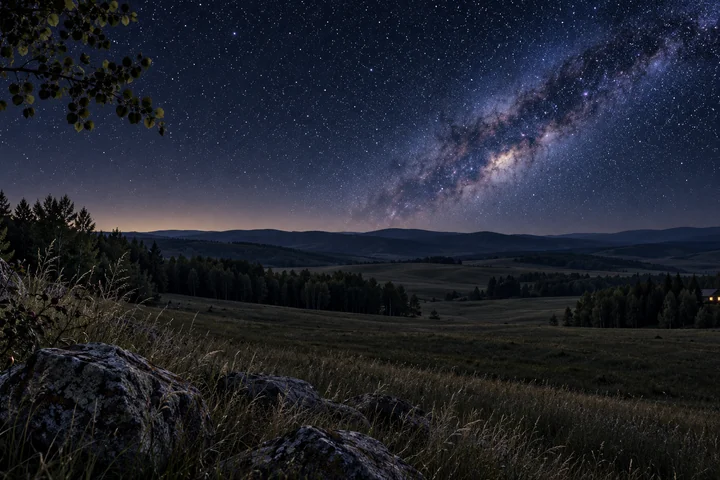
Parks Canada's Elk Island stargazing guide places the park within the Beaver Hills Dark Sky Preserve and explains its night-sky experience. It also links to programmes. Use that current guidance to plan access, conditions and a suitable place to spend the evening.
Make the occasion comfortable without demanding a spectacle. Cloud, moonlight and season all change what you see; northern lights are never a booking that a home or itinerary can fulfil. A hosted programme can add understanding, while a simple night outdoors can be worthwhile on its own. Give yourself permission to leave when the group is ready. At home, think about whether you enjoy being outside after dusk and what a comfortable evening would involve. The answer may be a short pause at the door, a sheltered seat or a more deliberate interest in astronomy.
Beaver Hills & parkland
Let a home feel settled after sunset.
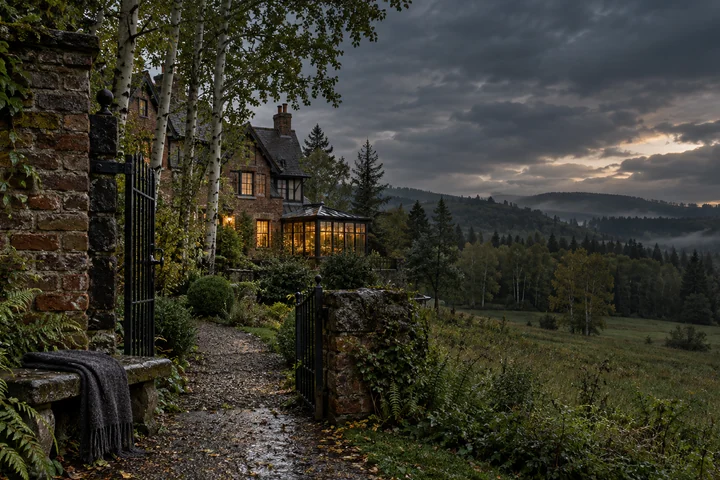
A house in woodland is experienced differently at night. Windows can become reflections, close trees fade into the dark and a small pool of interior light begins to define the room. During a property visit, think about how you would use the house after the view has gone. A place that feels comfortable then has a more complete relationship with its setting.
Keep the mood practical and personal. A reading lamp beside a comfortable chair, curtains suited to the room and a clear route through the house can do more for a winter evening than adding another decorative feature. Have any exterior lighting plan reviewed for the actual site and the needs of safe use. For a quiet gathering, let people choose between conversation and looking out into the dark. The outdoor landscape need not be brightly displayed to remain an important part of being at home.
Beaver Hills & parkland
Make time for Ukrainian heritage.
The Ukrainian Cultural Heritage Village is an open-air museum interpreting Ukrainian settlement and its place in Alberta's history. Its own website is the source for current access. At our October 11, 2026 check, the museum was closed for the season and planned to reopen in May 2027; it should not be treated as a current drop-in stop.
When a future visit is available, allow the interpretation to set the pace. Go with questions about daily life, work, family and the experience of making a home in a new place. Listen to what the hosts explain rather than using the buildings only as a picturesque background. A meaningful heritage day can continue afterwards through reading or a conversation at home. Keep those documented histories distinct from imagined artwork and from the histories of Indigenous peoples connected with the region.
Beaver Hills & parkland
Approach the region as a living place.
The biosphere's learning resources provide a way to explore connections between people and landscape. Follow the institutions, community voices and public programmes relevant to the questions you have. A place does not become fully understood after reading one overview, and a broad regional label cannot speak for every community.
That matters when making a home here. Learn names carefully, credit people for their work and choose public cultural experiences on the hosts' own terms. Avoid turning an unfamiliar tradition into a decorating idea or retelling a story whose context you do not understand. A household can build a thoughtful local library over time, adding books that follow real visits and conversations. Our Alberta living heritage guide introduces other destinations; use those connections to deepen an interest rather than combining distinct cultures into a single country aesthetic.
Beaver Hills & parkland
Keep an art connection in Sherwood Park.
Gallery@501 is a public gallery on Festival Avenue in Sherwood Park, with exhibitions and arts programming. The county's page identifies the current exhibition, opening information and ways to take part. It makes a useful cultural stop when planning a trip into the community.
Give the exhibition your attention before looking for something that resembles your own landscape. Work about family, memory, material or an unfamiliar place can broaden the way you understand a home. Read the artists' statements and let the work raise questions. A gallery visit can also be the beginning of a conversation at supper: what stayed with you, what you found difficult, what you want to learn next. Living in the country need not narrow cultural life to country subjects. Access to different kinds of art is part of a rich regional routine.
Beaver Hills & parkland
Build a seasonal kitchen around real producers.
The Sherwood Park Farmers' Market brings together food producers and makers with a year-round programme. Its site lists seasonal locations and current visiting information. Confirm the venue for the date you intend to go rather than choosing between the indoor and outdoor addresses by guesswork.
Let a few purchases shape the week instead of expecting every visit to supply an entire pantry. Ask what is in season, how a product is made and how the producer likes to use it. Keep names with the things you particularly enjoy so you can look for them again. A wooded country home lends itself to meals that can wait while people finish an outing: a pot brought to the table, bread to share, something simple baked earlier. The value lies in familiarity and care, rather than the number of courses or the size of the kitchen.
Beaver Hills & parkland
Bring the woodland indoors with restraint.
Take cues from the landscape without copying every colour into a room. The pale line of an aspen trunk, the dark mass of spruce or a small patch of russet can suggest relationships between light and shadow. A room may need only one of those ideas. Too many references can make a close woodland setting feel busy from inside.
Look at materials in the actual light of the house before deciding. Bring modest samples, compare them at different times and notice how they sit beside the view. A textured cloth or an original artwork can carry warmth without competing with every window. Let furniture support the way you use the room: a place for conversation, somewhere to read and enough room to move comfortably. The landscape is already complex. An interior that gives the eye a few quiet places can make that complexity easier to enjoy.
Beaver Hills & parkland
Choose close views as carefully as distant ones.
In woodland, a window can frame a living composition at a very short distance. Branches overlap, a clearing catches light and the background changes as leaves appear or fall. During a viewing, spend time in the rooms you expect to use every day rather than moving quickly toward the largest glass wall.
Imagine several ordinary moments: breakfast before leaving, a desk task, a wet afternoon with visitors and a winter evening. Notice whether the immediate view supports those uses. Existing trees, their condition and any proposed work require appropriate assessment; a pleasing impression is not an arborist's report or a permission to clear land. You can still make a useful personal record. Write down which rooms felt settled, which outlooks you returned to and what would need further investigation. Those observations help translate an attraction to woodland into a thoughtful property brief.
Beaver Hills & parkland
Let spring unfold at its own pace.
Spring can be a rewarding time to return to a public trail with no expectation of a summer scene. Look for changing colour, reflections where the route allows them to be seen and the structure of branches before full leaf. Keep the outing within current access guidance and avoid treating soft ground as an invitation to make a new route.
At home, a seasonal notebook can become more useful than a strict garden calendar copied from somewhere else. Record what you notice, where light falls and which areas you want to understand better. Seek suitable local advice before changing drainage, vegetation or other site features. The pleasure here is learning the particular place you occupy. A few repeated observations from the same chair or permitted path can reveal more than an ambitious first spring of projects, and they give everyone in the household a way to take part.
Beaver Hills & parkland
Find summer's quiet spaces.
A wooded setting can make a small outdoor gathering feel absorbed into the landscape. Think about where people naturally choose to sit and how conversation moves between indoors and out. Use existing comfortable spaces before assuming you need to build a larger terrace or create another clearing.
Summer visits to public destinations are an opportunity to learn which outings suit your household. One person may prefer a hosted programme; another may enjoy returning to a familiar walk. Let those preferences coexist. Keep current advisories and activity rules in the plan, and leave time at home between trips. An acreage lifestyle can become surprisingly scheduled if every weekend must prove how much the location offers. A meal outdoors, an hour with a book and the sound of wind in the canopy are also valid ways to spend a long day.
Beaver Hills & parkland
Give autumn more than one visit.
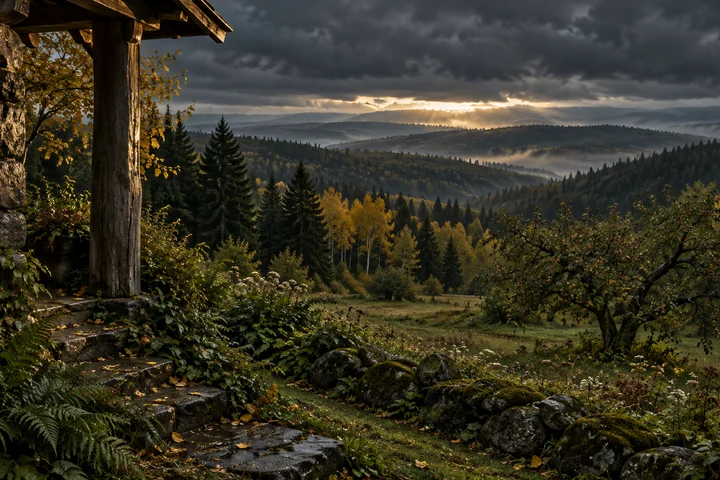
Autumn woodland changes in stages. A first visit may draw attention to colour; a later one reveals the spacing of trunks and the shape of the ground. Return to the same lawful public viewpoint if you enjoy comparing the scene. Make a small photograph or sketch, then spend a little time looking without a device.
At home, the season can be marked with simple habits: a meal shared after a walk, a book brought back into circulation or a new lamp arrangement as evenings lengthen. Let the household decide what feels worth repeating. If you are considering buying in the region, autumn is also a chance to notice how a particular house relates to its close surroundings when foliage changes. Keep aesthetic impressions separate from the professional review of trees, buildings and land. Both matter, and one cannot stand in for the other.
Beaver Hills & parkland
Make winter part of the attraction.
Winter gives woodland a clearer structure. Pale trunks, dark evergreen masses and patches of snow can create depth without a distant landmark. Our original scene imagines that experience; it is an atmospheric interpretation rather than a report of current snow conditions or a specific house.
For outdoor recreation, use the Wilderness Centre's current winter information or the relevant park's reports to choose an appropriate activity. For time at home, think about what draws you into a room on a short day. A good chair, a view you enjoy in subdued light and an uncomplicated meal can make the season feel complete. When comparing acreage locations, consider the winter week you would actually lead, including trips into the community and the advice needed for the individual property's systems and access.
Beaver Hills & parkland
An outing that connects woodland and art.
Choose a public morning walk from current county information, such as the Biodiversity Trail or an appropriate Wilderness Centre route. Keep the plan suited to your group and the day's advisories. Pick one thing to notice closely: the meeting of tree types, the way light falls in a hollow or the colours that remain after a season changes.
Plan Gallery@501 as a separate second anchor if its opening information fits. Let the transition from outdoors to art change the conversation rather than demanding an obvious visual match. Finish with a simple meal in the community or at home. This is a flexible outline, not a timed route, and either stop can be shortened or moved to another day. If a market date also fits, decide whether it adds something useful; there is no obligation to fit every nearby attraction into the same outing.
Beaver Hills & parkland
Give a weekend two distinct interests.
A heritage visit and a night-sky outing can make a memorable weekend when each is planned on its own terms. Book or confirm the cultural destination first. In the Ukrainian Cultural Heritage Village's closed season, choose research and another confirmed public cultural programme rather than arriving at a closed gate.
Keep the evening decision flexible around weather and Parks Canada's current guidance. Stargazing need not follow immediately after a long day; leave room to eat, rest and change the plan. If the sky outing does not suit the conditions, the weekend can still have been worthwhile. Back at home, put a book or a few notes where the conversation can continue. The connection between history and landscape is strongest when you give both enough attention, rather than treating one as a backdrop to the other.
Beaver Hills & parkland
Write a brief for your own woodland life.
After exploring, describe the experience you want in concrete terms. Do you want a close view of trees from a reading room, a small clearing where friends can gather, regular access to public winter recreation or a convenient trip to art and markets? Rank those preferences with the people who will share the home.
Then test them against real locations and the work needed to understand each property. A biosphere label, an attractive photograph and a nearby park do not establish private access, ecological condition or suitability for a proposed use. Use our practical ownership resources and a residential acreage consultation to develop that side of the brief. For a useful contrast, explore Cochrane and the Bow Valley or southern foothill life. Comparing different landscapes can make your attachment to this quieter wooded country much clearer.